Category: Uncategorized
-

Genuine Redundancy – Payout, Tax & Your Rights
A genuine redundancy happens when your employer no longer needs your specific job to be done by anyone because of operational changes. That is the first limb. The employer must also have followed the consultation requirements if you are covered by an award or enterprise agreement. If either of those conditions is not met, or…
-
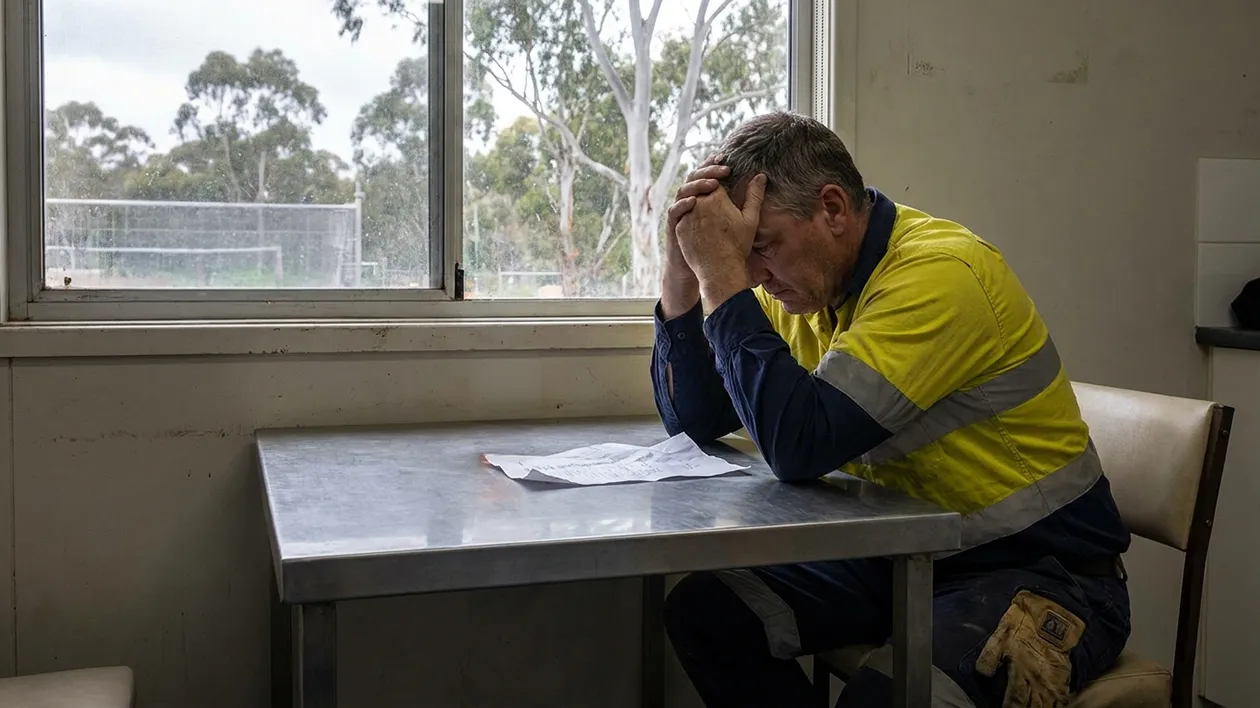
Demoted at Work? What the Fair Work Act Says and What to Do in the First 72 Hours
A demotion happens when your employer cuts your duties, responsibilities, seniority or pay. Under the Fair Work Act 2009 (Cth), a demotion involving a significant reduction in your remuneration or duties may amount to a dismissal, even though you are still turning up to work. Whether it does depends heavily on one thing most people…
-

Your Right to Join a Union in Australia: A Complete Worker’s Guide
The right to join a union in Australia is a legally protected freedom under the Fair Work Act 2009 (Cth) (Act). Any employee, independent contractor, or individual worker can join a union, refuse to join one, or leave one at any time. You cannot lawfully be terminated, demoted, threatened, or treated unfairly by an employer…
-

Pregnancy Discrimination at Work: Your Rights in Australia
Pregnancy discrimination is unlawful treatment of an employee or job applicant because they are pregnant, might become pregnant, have recently given birth, or are breastfeeding. Under the Fair Work Act 2009 (Cth), the Sex Discrimination Act 1984 (Cth), and state and territory anti-discrimination laws, it is against the law for an employer to dismiss, demote,…
-

Can My Employer Reduce My Hours? Your Rights in Australia
If you’re a permanent employee, full-time or part-time, the short answer is usually no. Your contracted hours are a core term of your employment, and your employer generally can’t cut them without your agreement. Doing so unilaterally is, in most cases, a breach of contract. Casual employees are in a different position. Because casual work…
-

Suspended from Work? Here’s Exactly What to Do Next
Being told you’re suspended is a gut punch. One day you’re at your desk, the next you’ve been walked out, your access has been cut, and you’re trying to work out what just happened and what it means. A work suspension is a temporary pause of your employment duties, usually while your employer investigates an…
-

General Protections Compensation
General protections compensation is the financial remedy awarded to a person who has suffered “adverse action” because they exercised a workplace right, were discriminated against, or were caught up in sham contracting. Unlike unfair dismissal, which caps compensation at 26 weeks of pay, general protections claims have no statutory cap on what a court can…
-

Adverse Action Under the Fair Work Act: What Employers & Employees Need to Know
Adverse action is any harmful act taken by an employer against an employee because that employee exercised a workplace right, engaged in industrial activity, or possesses a protected attribute. Under the Fair Work Act 2009 (Cth), it includes firing, demoting, refusing to hire, or altering an employee’s position to their prejudice. For employees, understanding adverse…
-

WHS Policies for Australian Employers: What You Need, How to Write Them, and the Rules That Keep Your Team Safe
Work Health and Safety (WHS) policies are formal, written documents that outline your organisation’s commitment to managing workplace hazards and protecting the health and wellbeing of every person who steps onto your worksite. A compliant WHS framework typically includes a general health and safety policy, emergency procedures, acceptable use policies, and specific hazard-control rules tailored…
-

Using AI for Your Unfair Dismissal Claim? Here’s What the Fair Work Commission Is Actually Seeing
If you’ve recently been dismissed and your first instinct was to ask ChatGPT whether you have a case — you’re not alone. Thousands of Australian workers are doing exactly the same thing. And it’s creating serious problems for everyone involved. In February 2026, Fair Work Commission President Justice Adam Hatcher delivered a landmark presentation to…